
Hydration Matters for Physical and Cognitive Performance
Hydration is essential for physical and cognitive performance because it supports blood volume, oxygen transport, thermoregulation, and cellular energy production. Even small fluid and electrolyte imbalances can affect focus, endurance, and recovery. Early signs such as fatigue, headaches, and brain fog often appear before thirst is noticeable.
Hydration also plays a key role in muscle contraction and recovery. When fluid and electrolyte balance shifts, nerve signaling becomes less efficient, which can reduce strength output and slow recovery after exertion. Lower hydration status has also been associated with declines in attention, memory, and overall cognitive performance over time.
IV hydration and oral hydration differ mainly in delivery speed and absorption pathway. Oral hydration relies on digestion, while IV therapy delivers fluids directly into the bloodstream for faster availability. Earth & Essence Spa provides clinician-guided mobile IV therapy in Cleveland, Ohio, with nurse-led care and personalized hydration protocols to support recovery and wellness.
How Hydration Affects the Body at a Functional Level
Hydration plays a direct role in muscle contraction and recovery. Muscles depend on electrolyte balance for proper nerve signaling, and when hydration is insufficient, this communication becomes less efficient. This can lead to reduced strength output, slower recovery after physical exertion, and increased perceived fatigue.
Over time, even mild dehydration has been associated with declines in attention, memory, and cognitive performance. These effects highlight why hydration is not just about thirst, but about maintaining consistent physiological balance across multiple body systems.
Oral Hydration and How It Supports Daily Wellness
Oral hydration refers to drinking water, electrolyte solutions, or oral rehydration drinks that pass through the digestive system before entering circulation. This makes it the most natural and widely used method for maintaining hydration.
How Oral Hydration Works in the Body
Fluids are absorbed through the stomach and intestines before entering the bloodstream. Absorption speed depends on digestion, food intake, and overall gut function.
When Oral Hydration Is Effective
Oral hydration works best for:
- Daily hydration maintenance
- Mild dehydration
- Preventing fluid loss during normal activity
Limitations of Oral Hydration
Oral hydration may be less effective when:
- The body is fatigued or under stress
- Nausea or illness reduces intake
- Faster recovery is needed
IV Hydration Therapy and How It Works in the Body
IV hydration therapy delivers fluids and electrolytes directly into the bloodstream through a vein, bypassing the digestive system entirely. This allows for immediate circulatory availability of IV fluid.
How IV Hydration Enters the Bloodstream
Because IV fluids bypass digestion, they increase plasma volume almost immediately, supporting faster hydration balance restoration.
Common IV Fluids and Electrolytes
IV hydration typically includes:
- Normal saline
- Lactated Ringer’s solution
- Electrolytes such as sodium, potassium, and magnesium
- Optional vitamins depending on wellness goals
When IV Hydration Therapy Is Recommended
IV hydration is commonly used for:
- Rapid recovery needs
- Fatigue or low energy states
- Travel-related dehydration
- Post-exertion recovery support
IV vs Oral Hydration Comparison: Speed, Absorption, and Efficiency
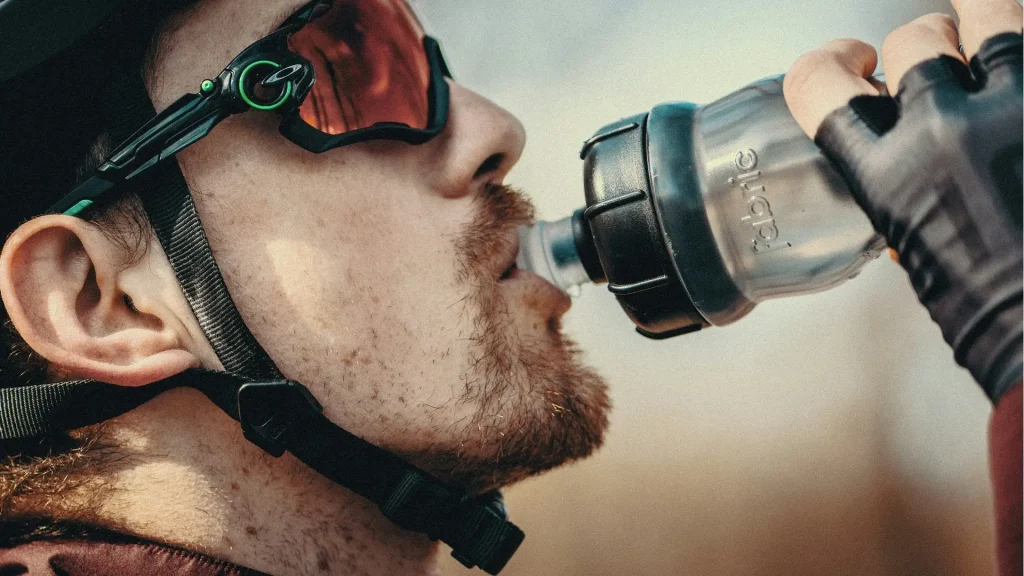
The key difference between IV and oral hydration is how quickly fluids enter the bloodstream.
Oral hydration can take 30 to 120 minutes to influence hydration status, depending on digestion. IV hydration begins working within minutes because fluids are delivered directly into circulation.
Key Differences in Absorption and Delivery
| Factor | Oral Hydration | IV Hydration |
|---|---|---|
| Speed | 30–120 minutes | Minutes (immediate) |
| Absorption | Digestive-dependent | Direct bloodstream delivery |
| Efficiency | Variable | Near-complete |
| Best Use | Daily hydration | Rapid recovery |
Oral hydration supports long-term wellness, while IV hydration is used for faster physiological recovery when time matters.
Why Hydration Method Matters in Real-Life Scenarios
The way hydration is delivered becomes especially important in situations where the body is under higher physiological demand. During intense physical activity, travel, illness, or prolonged stress, fluid loss can occur faster than it is replaced through normal intake. In these cases, relying only on oral hydration may delay recovery because absorption depends on digestion and gastrointestinal efficiency.
IV hydration offers a more direct approach by bypassing the digestive system and delivering fluids straight into the bloodstream. This allows faster support for circulation, electrolyte balance, and overall hydration status, particularly when the body is already fatigued or under stress. For individuals experiencing symptoms such as persistent fatigue, headaches, or reduced performance, the difference in delivery speed can influence how quickly the body returns to baseline function.
The hydration method also affects how consistently fluids are utilized at the cellular level. Oral hydration is effective for gradual replenishment, but IV hydration provides immediate availability, which may be beneficial in time-sensitive recovery situations.
Hydration and nutrition in injury prevention and recovery play a critical role in reducing muscle fatigue, cramping, and heat-related strain, all of which can contribute to injury risk and slower recovery. It also emphasized that dehydration negatively impacts musculoskeletal efficiency and recovery capacity, reinforcing the importance of timely fluid and electrolyte restoration during physical stress and post-exertion recovery phases.
Benefits of IV and Oral Hydration
Oral Hydration Benefits
- Supports daily hydration needs
- Easily accessible and low cost
- Non-invasive and safe for routine use
- Ideal for prevention and maintenance
IV Hydration Benefits
- Rapid fluid restoration
- Direct electrolyte and nutrient delivery
- Supports recovery and fatigue relief
- Administered under clinical supervision
Who Benefits the Most from IV Hydration Therapy?
IV hydration therapy is commonly used by individuals who require faster recovery support, including:
- Athletes recovering from training or competition
- Professionals experiencing fatigue or burnout
- Travelers dealing with jet lag or dehydration
- Individuals recovering from illness or physical stress
It is often chosen when oral hydration alone does not restore energy or hydration quickly enough.
Mobile IV Hydration in Cleveland, Ohio

Earth & Essence Spa delivers nurse-led mobile IV therapy directly across Cleveland and surrounding communities, bringing clinician-guided hydration, recovery, and wellness support straight to your home or workplace. Services are designed for convenience and safety, with structured screening and personalized IV protocols administered by licensed nurses—removing the need for clinic visits while maintaining clinical oversight.
Clients across nearby areas, including Lakewood, Westlake, Rocky River, Parma, Beachwood, and Shaker Heights, commonly access mobile IV hydration services for recovery, fatigue support, travel recovery, and performance maintenance. This expanded coverage makes it easier for individuals across the Greater Cleveland area to receive timely hydration support without disrupting their schedules.
To schedule care, visit Earth & Essence Spa’s booking channel and request a mobile IV session based on availability and wellness needs.
FAQs
Is oral hydration as good as IV hydration?
Oral rehydration is highly effective for mild to moderate dehydration and is widely recommended because it is safe, accessible, and cost-effective. IV hydration works faster because fluids are delivered directly into the bloodstream with near-complete absorption.
In short:
- Oral rehydration is best for daily hydration and mild dehydration
- IV hydration is best for rapid recovery and faster fluid restoration
What is the 4-2-1 rule for IV fluid hydration?
The 4-2-1 rule is a clinical guideline used to estimate maintenance fluid needs in medical settings:
- 4 mL per kg for the first 10 kg of body weight
- 2 mL per kg for the next 10 kg
- 1 mL per kg for each additional kg
For example, a 70 kg adult would require approximately:
(10 × 4) + (10 × 2) + (50 × 1) = 110 mL/hour
This formula is mainly used in clinical IV fluid planning and not for everyday hydration tracking.
Is there a downside to IV hydration therapy?
IV hydration is generally safe when administered by licensed professionals, but there are some considerations:
- It requires a needle and a sterile setup
- Minor side effects, such as bruising or discomfort, may occur
- It is more expensive than oral hydration
- It is not necessary for mild dehydration
For most individuals, IV hydration is best used for recovery, illness, fatigue, or performance support rather than daily hydration replacement.
Why is oral hydration preferred over IV hydration therapy?
Oral rehydration is preferred in most cases because it is:
- Non-invasive and easy to administer
- Cost-effective and widely available
- Clinically proven for mild to moderate dehydration
Health organizations prioritize oral rehydration solutions because they effectively restore fluids and electrolytes through the digestive system. IV hydration is typically reserved for situations where oral intake is insufficient or rapid recovery is needed.