

Dehydration, Symptoms of Dehydration, and Warning Signs
Hydration is essential for maintaining normal physical and cognitive function because it supports blood volume, oxygen transport, thermoregulation, and cellular energy production. When fluid balance is disrupted, even early dehydration can impair cognitive performance and mood, reducing vigor, attention, and mental efficiency, while rehydration helps restore cognitive function and emotional balance.
One of the challenges with dehydration is that early signs are often subtle. Fatigue, headaches, dizziness, and brain fog can develop before thirst becomes noticeable, making it harder to recognize the earliest signs of dehydration in real time. This delay in thirst signaling means many people do not immediately realize they are already experiencing dehydration, which can progress from mild fluid loss to more noticeable symptoms if they do not drink enough water or maintain consistent hydration habits.
In Cleveland, Ohio, where seasonal temperature shifts, active lifestyles, and recovery demands can increase the risk of dehydration, access to timely hydration support becomes especially important. The Earth & Essence Spa in Cleveland, Ohio, provides clinician-guided mobile IV hydration therapy across Cleveland and surrounding areas, delivering direct hydration support to clients at home, work, or during recovery situations where oral intake may not be enough.
What is Dehydration? Causes of Dehydration and How It Happens
Dehydration and how the body loses fluid
Dehydration occurs when the body loses more fluid than it takes in, disrupting electrolyte balance and normal physiological function. This imbalance affects circulation, temperature regulation, and cellular performance.
Causes of dehydration
There are multiple causes of dehydration, ranging from lifestyle habits to environmental conditions:
- Not drinking enough water throughout the day
- Excessive sweating from heat or exercise
- An illness that causes vomiting or diarrhea
- High caffeine or alcohol intake
- Increased urination due to medications or health conditions
Common causes of dehydration in daily life
The most common causes of dehydration are often overlooked. Many individuals simply fail to drink enough water due to busy routines, stress, or a lack of awareness of hydration needs. Even mild fluid loss over time can lead to chronic low-level dehydration.
Why hydration balance matters
Proper hydration supports electrolyte balance, which is essential for nerve signaling, muscle contraction, and energy production. Without enough fluids, the body begins to conserve water, slowing down key functions and increasing fatigue.
Symptoms of Dehydration and Early Warning Signs
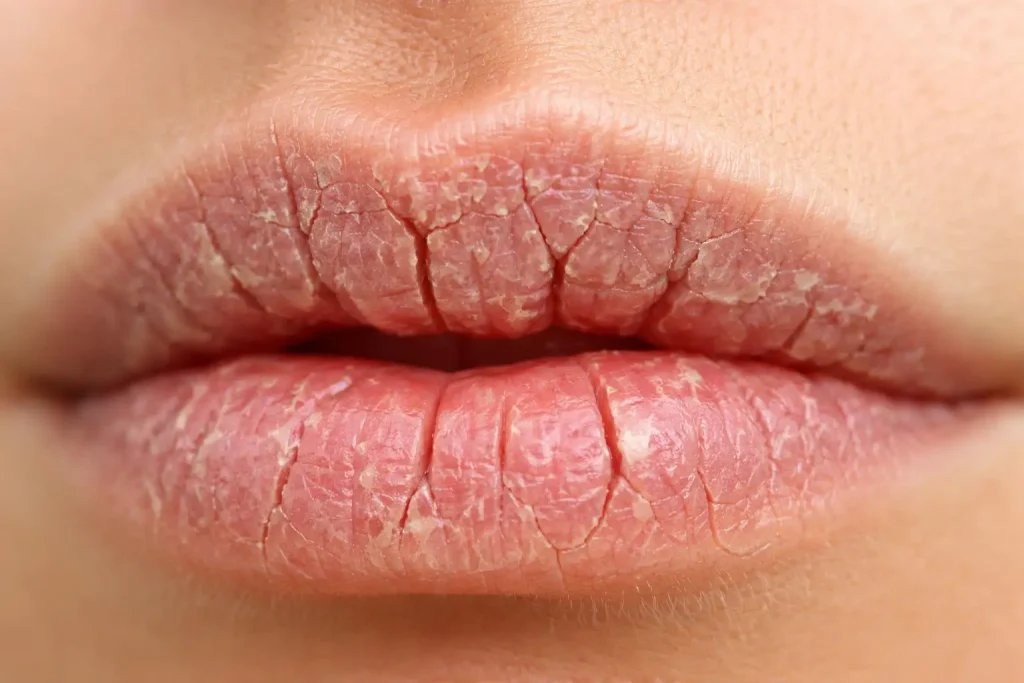
Signs of dehydration and early symptoms
The signs of dehydration can appear gradually and may be mistaken for stress or tiredness. Common early indicators include:
- Dry mouth or sticky saliva
- Headaches or light dizziness
- Reduced energy levels
- Difficulty concentrating
- Dark yellow urine
These early symptoms of dehydration often appear before severe fluid loss occurs.
Symptoms of mild to moderate dehydration
When dehydration progresses to mild to moderate dehydration, symptoms become more noticeable:
- Persistent thirst
- Fatigue and low stamina
- Muscle cramps
- Dry skin
- Irritability or brain fog
At this stage, the body is actively trying to signal the need to drink more water, but many people still underestimate the severity.
Thirst is not always a reliable signal
While thirst is a natural indicator, it is often delayed. By the time you feel thirsty, the body may already be mildly dehydrated. This is why consistent hydration habits are more effective than waiting for thirst cues.
Risk of Dehydration and Severe Dehydration Symptoms
Risk of dehydration in daily life
The risk of dehydration increases significantly during hot weather, physical activity, illness, or travel. Certain populations, including older adults and children, are more vulnerable due to lower fluid reserves or difficulty maintaining adequate intake.
Symptoms of severe dehydration
If fluid loss continues, it can progress into severe dehydration, which requires immediate attention. Symptoms of severe dehydration include:
- Rapid heartbeat
- Confusion or irritability
- Extreme fatigue
- Sunken eyes
- Very low or no urine output
Severe dehydration can become a medical emergency if not addressed promptly.
Dehydration in young children
Dehydration in young children is particularly dangerous because their bodies lose fluids more quickly. Warning signs include dry diapers, crying without tears, lethargy, and unusual sleepiness. Early intervention is critical to prevent complications.
How to Treat Dehydration and Rehydrate the Body
How to treat dehydration at home
To treat dehydration, the goal is to restore fluid balance gradually and safely. The first step is to drink water consistently throughout the day rather than consuming large amounts at once.
How to hydrate effectively
To properly hydrate, consider the following:
- Sip water regularly instead of waiting for thirst
- Include electrolyte-rich fluids when needed
- Avoid excessive caffeine or alcohol
- Increase intake during heat or physical activity
Drink enough water and maintain balance
Maintaining enough water intake is essential for energy, digestion, and cognitive function. A good rule is to drink more water during sweating, illness, or travel to compensate for fluid loss.
Role of electrolytes in hydration
Electrolytes such as sodium, potassium, and magnesium help regulate fluid balance inside and outside cells. Without adequate electrolytes, even high water intake may not fully correct dehydration.
Hydration, Recovery, and When Oral Intake May Not Be Enough
In cases of mild to moderate dehydration, oral hydration is generally effective for restoring fluid balance. However, when the body is under physical stress, fatigue, illness, or high exertion, fluid absorption through digestion may become less efficient and slower to correct hydration status.
Inadequate fluid intake can significantly increase muscle fatigue, reduce physical performance, and slow post-exercise recovery. Within the context of hydration and injury prevention, dehydration is also linked to greater physiological strain during physical activity, which can compromise musculoskeletal efficiency, increase perceived exertion, and reduce the body’s ability to recover after intense or prolonged exertion.
During these conditions, the demand for faster fluid and electrolyte restoration increases. When oral intake is not sufficient to meet recovery needs, more direct hydration support may be considered to help restore balance more efficiently.
IV Hydration and Local Hydration Support in Cleveland, Ohio

For individuals experiencing persistent fatigue, ongoing symptoms of dehydration, or difficulty recovering with oral fluids alone, IV hydration may provide faster physiological support by delivering fluids and electrolytes directly into the bloodstream.
Earth & Essence Spa offers clinician-guided mobile hydration support in Cleveland, Ohio, designed for individuals dealing with dehydration, fatigue, travel recovery, or physical stress. Services are administered by licensed nurses in a safe, at-home, or workplace setting for convenience and clinical oversight.
If you are experiencing persistent signs of dehydration, difficulty maintaining proper hydration despite increased fluid intake, or recurring fatigue linked to fluid imbalance, consider professional hydration support.
Schedule a mobile hydration consultation in Cleveland, Ohio, with Earth & Essence Spa and restore your hydration balance through clinician-guided care delivered directly to your home, office, hotel, or event.
FAQs About Dehydration
What are the 6 warning signs of dehydration?
The most common signs of dehydration include dry mouth, dark yellow urine, fatigue, dizziness, headaches, and reduced urination. These symptoms of dehydration occur when the body loses more fluid than it takes in, making it harder to maintain a normal hydration balance and physical function.
Does dehydration cause fatigue and headaches?
Yes, dehydration can directly cause fatigue and headaches. When the body lacks enough fluid, blood volume decreases, and oxygen delivery becomes less efficient, leading to tiredness, reduced focus, and tension-type headaches. These are often early symptoms of dehydration and may appear before intense thirst develops.
Which is the earliest symptom of dehydration to occur?
The earliest symptom of dehydration is often increased thirst, followed closely by dry mouth and mild fatigue. However, in many cases, people begin experiencing reduced energy levels and subtle cognitive changes before they recognize they need to drink water or improve hydration.
Can dehydration cause fatigue and brain fog?
Yes, dehydration can contribute to both fatigue and brain fog. Even mild fluid loss can affect brain function, reducing concentration, memory, and alertness. When the body does not have enough fluid, cognitive performance declines, making it harder to focus, think clearly, and maintain energy throughout the day.